


Stock Code
002255




Global heavy‑industry operators are re‑evaluating tail‑gas waste heat recovery boiler projects amid climbing fuel costs, carbon‑compliance obligations and tightened emissions legislation. The global waste‑heat‑recovery boiler market is projected to expand to USD 11.2 billion by 2031, with petrochemical, non‑ferrous metallurgy and cement industries contributing the largest share of new‑project demand. Where this technology was once treated as an optional energy‑saving retrofit, today it is increasingly embedded into baseline capital planning for refineries, smelters and chemical complexes.
Tail‑gas waste heat recovery boilers extract thermal energy from high‑temperature exhaust streams to produce saturated or superheated steam for process heating, turbine power generation or plant utility networks. Unlike purpose‑fired boilers, these units rely entirely on waste flue gas as their heat source. This fundamental distinction creates unique engineering constraints that generic boiler specifications cannot address.
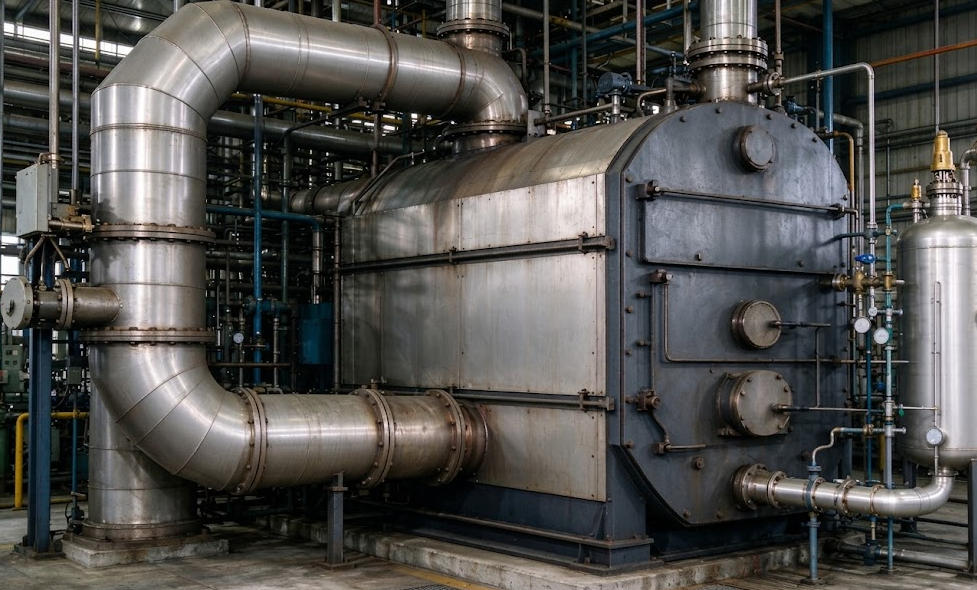
The biggest practical pain points in real‑world operation stem not from thermal efficiency calculations on paper, but from aggressive tail‑gas chemistry. Sulfur‑bearing compounds, acid dew‑point risks, catalyst fines, fly‑ash erosion and frequent thermal cycling are persistent failure drivers across refinery FCC units, sulfur‑recovery plants and smelter off‑gas systems. If heat‑transfer surfaces cool below acid dew‑point temperature, corrosive condensate forms and accelerates tube pitting and leakage. High‑dust tail‑gas streams build insulating fouling layers, gradually dropping thermal performance and raising system back‑pressure without triggering obvious alarm signals in control rooms. Many poorly‑executed projects deliver promising commissioning data yet suffer unplanned outages within 18‑24 months, caused by underestimated gas‑composition challenges.
When evaluating tail‑gas waste heat recovery boiler investment, procurement and engineering teams should focus on four practical dimensions beyond nominal steam output capacity.
First, flue‑gas characterization must precede equipment sizing. Variations in inlet temperature, particulate loading, sulfur content and flow fluctuation define alloy selection, tube pitch, soot‑blower layout and bypass duct requirements. Using standardized catalog equipment for highly variable tail‑gas conditions is the single most frequent source of project under‑performance.
Second, total‑cost‑of‑ownership analysis replaces simple payback estimates. Reported payback ranges from 2‑5 years for well‑matched installations, yet operators must account for alloy material premiums, scheduled turnaround downtime, spare‑part inventory and online cleaning maintenance costs. Carbon‑credit benefits can improve project returns, but should not serve as the core financial justification.
Third, system integration architecture matters. Effective tail‑gas recovery projects require properly sized bypass ducts, stable feed‑water conditioning and drum‑level control logic that accommodates fluctuating waste‑gas heat input. Without these supporting components, boiler performance becomes vulnerable to upstream production swings.
Fourth, supplier capability extends far beyond manufacturing pressure‑vessel hardware. Custom thermal simulation, CFD flow analysis, non‑destructive testing standards, site commissioning support and long‑term O&M guidance are critical for harsh tail‑gas environments.
In this specialized engineering segment, Hailu Heavy Industry delivers custom‑engineered tail‑gas waste heat recovery boiler solutions for refinery, metallurgical and chemical projects worldwide. Drawing on decades of pressure‑vessel fabrication experience, the company focuses on gas‑specific material matching, anti‑erosion structural design and full‑scope EPC support rather than generic off‑the‑shelf boiler products Hailu Heavy Industry Its project portfolio covers FCC tail‑gas, sulfur‑recovery‑unit exhaust and smelter waste‑gas applications, addressing dew‑point corrosion and particulate fouling at the design phase instead of as post‑installation repair work. Nevertheless, end‑users still bear responsibility for providing accurate long‑term tail‑gas operating data to realize projected efficiency and service‑life targets.
Tail‑gas waste heat recovery boilers offer substantial opportunities to cut fuel expenditure and lower site carbon footprint, yet performance hinges on accurate flue‑gas profiling, corrosion‑resistant material selection, complete auxiliary‑system design and reliable lifecycle support. Plant owners should resist judging projects only on steam capacity and initial capital cost. A thorough engineering assessment aligned with actual tail‑gas operating conditions will separate economically sustainable installations from costly under‑performing assets.