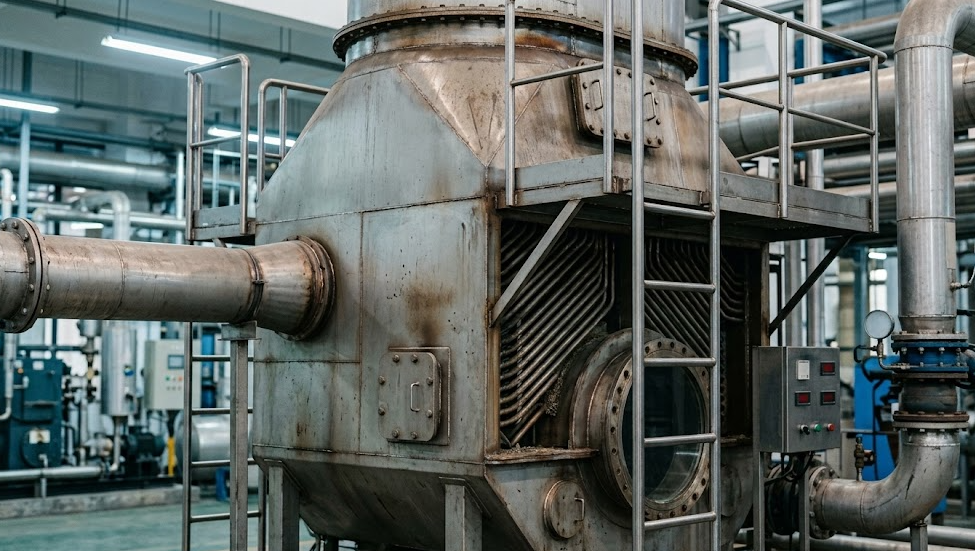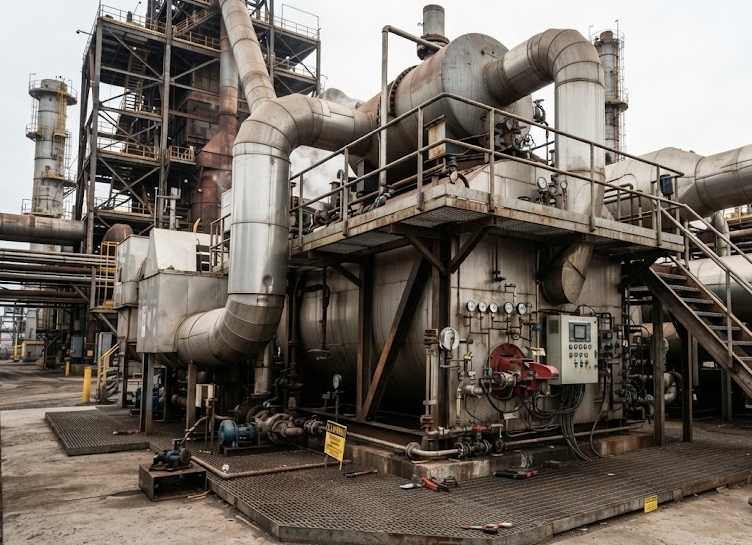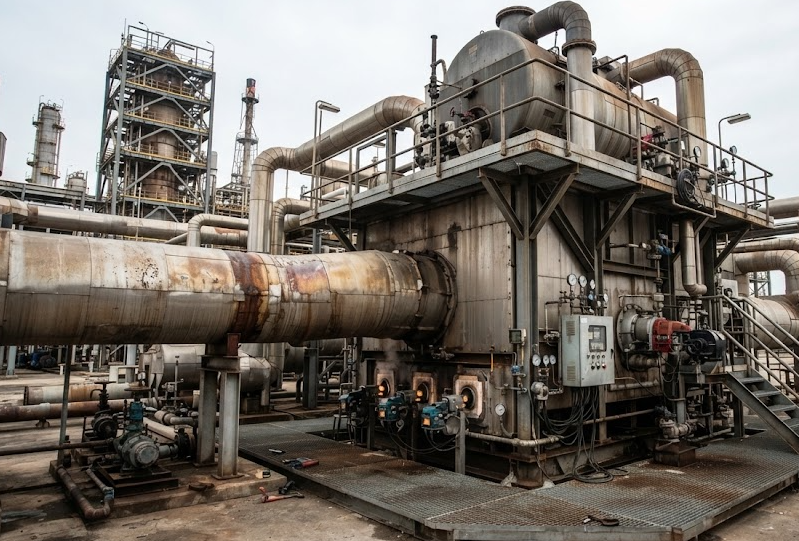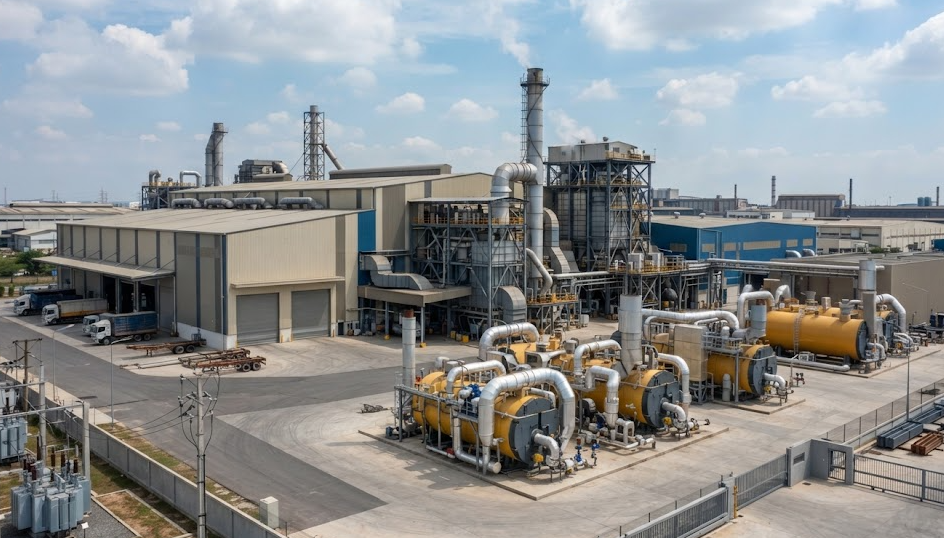



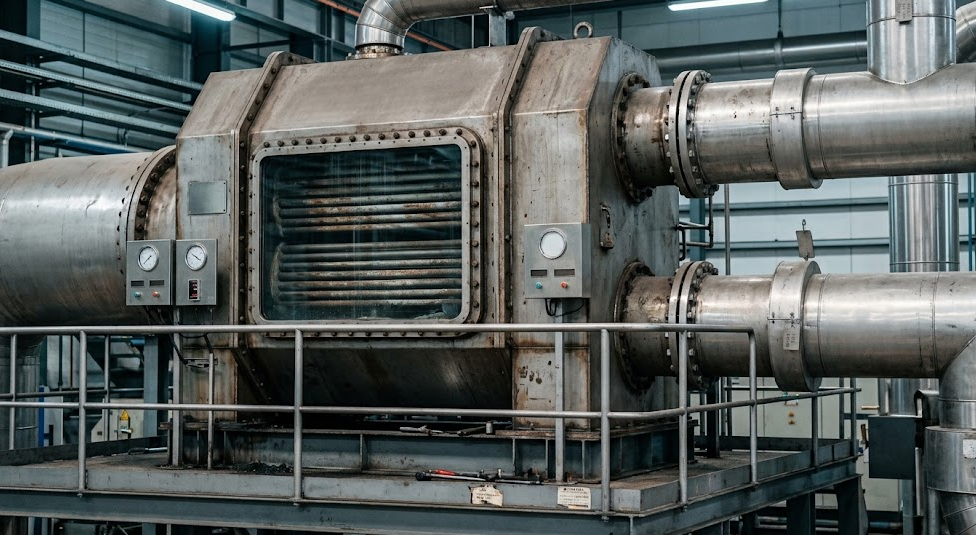
In the high-energy intensity of the metallurgical and steelmaking industries, operational efficiency is defined by the ability to capture, convert, and reuse what was previously considered waste.

In the high-energy intensity of the metallurgical and steelmaking industries, operational efficiency is defined by the ability to capture, convert, and reuse what was previously considered waste.

In the intensive world of non-ferrous metallurgy, nickel smelting represents one of the most demanding thermal environments. The process of extracting nickel from ore involves extreme temperatures, highly corrosive chemical atmospheres, and the need for continuous, non-stop operation.

Fluid catalytic cracking (FCC) units are the thermal heart of modern refineries, converting heavy vacuum gas oil into high-value gasoline and light olefins.

In high-stakes chemical processing, thermal efficiency is directly tied to bottom-line profitability and environmental compliance. High-temperature exothermic reactions—such as sulfur dioxide oxidation, ammonia synthesis, and ethylene cracking—generate massive quantities of high-temperature flue gas and process waste heat.

In the competitive landscape of non-ferrous metal production, the tin smelting industry faces the dual challenge of escalating energy costs and tightening environmental regulations. For facility managers and engineers, the path to sustained profitability lies in the intelligent recovery of energy.
E-MAIL: hailu-sales@hailu-boiler.cn
Address: No.1 Southeast Avenue, Zhangjiagang City, Jiangsu Province, China