


Stock Code
002255




In energy-intensive industries, hot tail gas can contain valuable thermal energy that would otherwise be lost through exhaust systems. A tail gas waste heat recovery boiler captures part of this energy and converts it into steam for process heating, plant utilities, or other suitable applications.
For chemical plants, refineries, and sulfur-processing facilities, effective heat recovery can improve energy utilization and reduce the need for additional fuel-fired steam generation. However, the results depend on gas composition, operating temperature, steam demand, and equipment design.
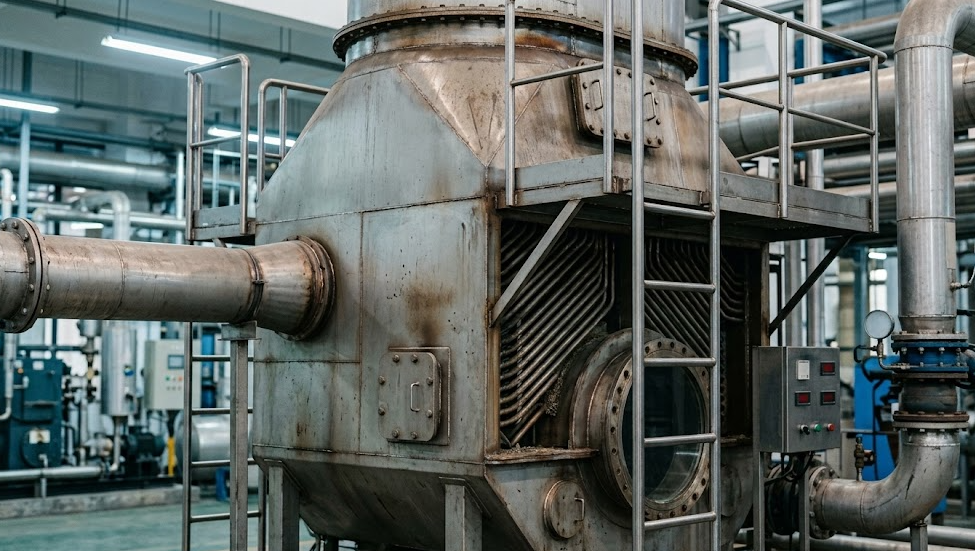
Tail gas characteristics vary across industrial processes. Some streams contain sulfur compounds, moisture, or particulates, while others have different chemical and thermal properties. These differences directly affect boiler selection and operating reliability.
Before selecting an industrial tail gas waste heat recovery boiler, engineers should evaluate:
● Gas temperature and flow rate: Determine the available heat and potential steam output.
● Gas composition: Helps identify corrosion risks and material requirements.
● Particulate content: Influences fouling, erosion, and cleaning frequency.
● Steam requirements: Establish the required pressure, temperature, and production capacity.
● Operating conditions: Help determine how the system should respond to load changes and shutdowns.
Accurate process data provides a reliable basis for equipment design and performance estimates.
A well-designed tail gas heat recovery boiler must balance heat-transfer performance with pressure drop, maintenance needs, and process safety.
● Heat transfer and pressure drop: Sufficient heat-transfer surface helps recover thermal energy, but excessive gas-side resistance can affect upstream equipment and increase auxiliary power consumption. Both factors should be considered during system design.
● Corrosion protection: Certain sulfur-containing gas streams can create corrosive conditions, particularly when acidic condensates form at unsuitable temperatures. Material selection and temperature control should therefore reflect the actual gas chemistry and operating environment.
● Fouling and maintenance: Dust and deposits may reduce heat-transfer efficiency over time. Appropriate equipment configuration, inspection access, and cleaning provisions help support stable operation and simplify maintenance.
These considerations are especially important in facilities where unplanned downtime can interrupt continuous production.
Tail gas and other hot process-gas streams offer heat recovery opportunities in several industries.
In sulfur recovery units, waste heat boiler equipment may recover energy from specific high-temperature process streams. The correct configuration depends on the process stage and gas characteristics.
In sulfuric acid plants, heat generated during sulfur combustion and related processing can be recovered through suitable boiler arrangements. Depending on the plant design, the system may include a waste heat boiler, superheater, or economizer.
Other chemical and petroleum-processing facilities may also benefit from industrial exhaust gas heat recovery. However, each application requires an individual assessment rather than a standard solution for every type of tail gas.
Selecting equipment based solely on nominal steam capacity may overlook important operating requirements. Industrial buyers should assess the complete system before making a decision.
First, estimate recoverable heat using actual gas-flow and temperature data. Then establish the required steam conditions and evaluate how the recovered steam will integrate with the existing utility network.
The assessment should also cover maintenance access, expected fouling, corrosion management, auxiliary energy consumption, and lifecycle costs. These factors help determine whether the proposed system offers practical long-term value.
Industrial heat recovery projects often require customized engineering based on gas conditions, production requirements, and plant layout.
Hailu Heavy Industry provides industrial waste heat boiler solutions for applications including chemical processing, sulfur-related production, and other industrial processes. Its website presents waste heat recovery equipment and engineering capabilities for different industrial applications.
When discussing a project with Hailu Heavy Industry, buyers should prepare gas composition, flow rate, inlet temperature, target outlet conditions, steam requirements, and applicable design standards. This information helps the engineering team evaluate the appropriate equipment configuration.
A tail gas waste heat recovery boiler can help industrial plants convert otherwise unused thermal energy into useful steam. Reliable results depend on accurate process data, appropriate heat-transfer design, corrosion management, and effective integration with existing equipment.
By considering both operating performance and lifecycle requirements, plant owners can make more informed investment decisions. Hailu Heavy Industry offers industrial waste heat recovery solutions for businesses evaluating ways to improve energy utilization in demanding production environments.