


Stock Code
002255




In heavy industrial operations—such as petro-chemical refining, metallurgical smelting, cement manufacturing, and municipal waste incineration—thermal energy management is the primary factor governing financial profitability and environmental compliance. Across these sectors, high-temperature exhaust and flue gases represent a massive source of wasted energy. Discharging these gases directly into the atmosphere squanders costly fuel resources and increases a facility’s carbon footprint.
To recover this lost energy, industrial engineering teams are applying the principles of thermodynamics to capture low-grade and high-grade exhaust. Implementing an industrial-grade high efficiency waste heat boiler (WHB) is the definitive method for converting secondary thermal energy into high-pressure process steam or electrical power.
When upgrading an energy recovery infrastructure, plant managers must look past basic shell designs, focusing instead on dew-point corrosion risks, soot-blowing dynamics, and optimized heat flux pathways. As a premier global manufacturer of large-scale industrial equipment, Hailu Heavy Industry engineers advanced waste heat recovery packages that consistently maximize exergy efficiency in demanding corporate settings.
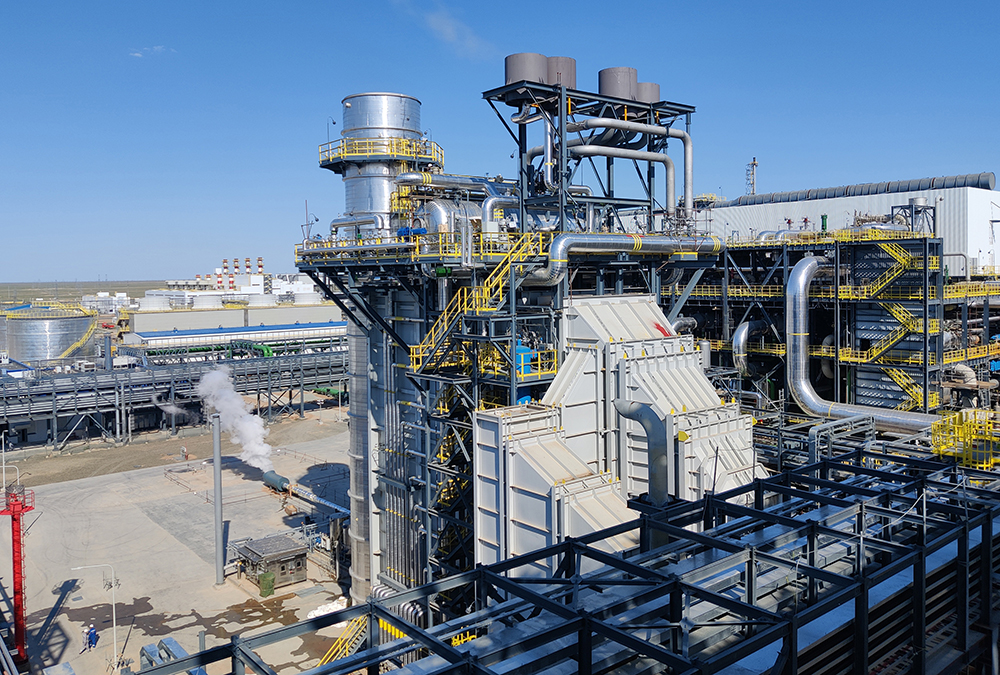
A high efficiency waste heat boiler is a heat recovery system that captures residual thermal energy from industrial exhaust streams and converts it into useful energy.
Unlike conventional boilers that consume fuel directly to generate steam, waste heat boilers utilize heat that would otherwise be lost.
Industrial facilities typically lose 20%–50% of their input energy through exhaust gases.
Without recovery systems, this energy loss directly impacts:
● Fuel consumption
● Operating costs
● Carbon emissions
● Overall plant efficiency
A properly engineered industrial waste heat recovery boiler can transform these losses into valuable energy resources.
Key benefits include:
✔ Lower fuel costs
✔ Reduced carbon footprint
✔ Improved energy utilization
✔ Enhanced sustainability performance
✔ Faster return on investment
The operating principle is straightforward yet highly effective.
Hot exhaust gases from industrial processes enter the waste heat boiler.
Common sources include:
● Gas turbines
● Industrial furnaces
● Kilns
● Incinerators
● Steelmaking equipment
● Petrochemical units
Specially designed heat transfer surfaces absorb thermal energy from the exhaust stream.
The recovered heat converts water into steam or heated process fluids.
The generated steam can be used for:
● Power generation
● Process heating
● District heating
● Manufacturing operations
This approach significantly improves overall energy efficiency.
Combined cycle power plants rely heavily on high efficiency waste heat recovery steam generators to maximize energy output.
By utilizing turbine exhaust heat, plants can dramatically improve fuel utilization rates.
Steelmaking processes generate enormous volumes of high-temperature exhaust gas.
Waste heat boilers help recover energy from:
● Blast furnaces
● Sintering systems
● Coke ovens
● Electric arc furnaces
The recovered steam supports plant operations while reducing energy costs.
Cement production is highly energy intensive.
Kiln and clinker cooler exhaust streams contain substantial recoverable heat.
A waste heat boiler for cement plants enables manufacturers to generate electricity or process steam from otherwise wasted energy.
Refineries and chemical facilities operate numerous high-temperature processes.
Waste heat recovery systems improve:
● Energy efficiency
● Process economics
● Environmental performance
This makes them an important component of modern refinery infrastructure.
Not all waste heat boilers deliver the same performance.
Several engineering factors determine overall effectiveness.
Advanced tube arrangements maximize thermal energy absorption.
Benefits include:
● Higher heat recovery rates
● Improved steam output
● Reduced exhaust temperature
Minimizing resistance within the gas flow path helps maintain process efficiency.
A well-designed boiler avoids excessive back pressure that could negatively impact upstream equipment.
Waste heat systems often operate under:
● High temperatures
● Corrosive conditions
● Thermal cycling environments
Hailu Heavy Industry utilizes carefully selected materials that provide:
✔ Corrosion resistance
✔ Thermal stability
✔ Extended service life
Modern waste heat boiler systems increasingly feature:
● PLC controls
● Real-time monitoring
● Remote diagnostics
● Predictive maintenance tools
These technologies improve operational reliability while reducing maintenance costs.
As governments and industries pursue carbon reduction initiatives, waste heat recovery plays a critical role.
Environmental advantages include:
Every unit of recovered energy decreases demand for additional fuel.
Improved efficiency directly reduces CO₂ emissions.
Many industries face increasingly strict environmental standards.
Waste heat recovery systems help facilities meet sustainability goals without sacrificing productivity.
Selecting the right waste heat recovery partner requires evaluating both engineering expertise and manufacturing capability.
Hailu Heavy Industry has built a strong reputation for delivering reliable thermal energy solutions across multiple industries.
Key advantages include:
✔ Advanced heat recovery engineering
✔ Customized system design
✔ High thermal efficiency performance
✔ Robust material selection
✔ Strict quality control standards
✔ Long service life
✔ Comprehensive technical support
✔ Global project experience
By combining engineering innovation with practical industrial experience, Hailu Heavy Industry helps customers maximize energy recovery while minimizing lifecycle costs.
The next generation of waste heat boiler systems is expected to focus on:
● Higher thermal efficiencies
● Advanced corrosion-resistant materials
● Digital monitoring platforms
● AI-assisted performance optimization
Carbon reduction integration
Industrial decarbonization initiatives
As energy costs continue to rise, waste heat recovery will become an increasingly strategic investment for industrial operators worldwide.
Industrial waste heat is no longer viewed as an unavoidable loss—it is a valuable energy resource waiting to be recovered.
A high efficiency waste heat boiler enables manufacturers to transform wasted thermal energy into productive steam, reduce fuel consumption, lower emissions, and improve overall plant profitability.
Whether serving power generation, steel production, cement manufacturing, or chemical processing industries, advanced waste heat recovery systems provide a powerful pathway toward both economic and environmental performance.
With proven engineering expertise, innovative design capabilities, and a commitment to energy efficiency, Hailu Heavy Industry continues to help industrial enterprises unlock the full value of their thermal energy resources.