


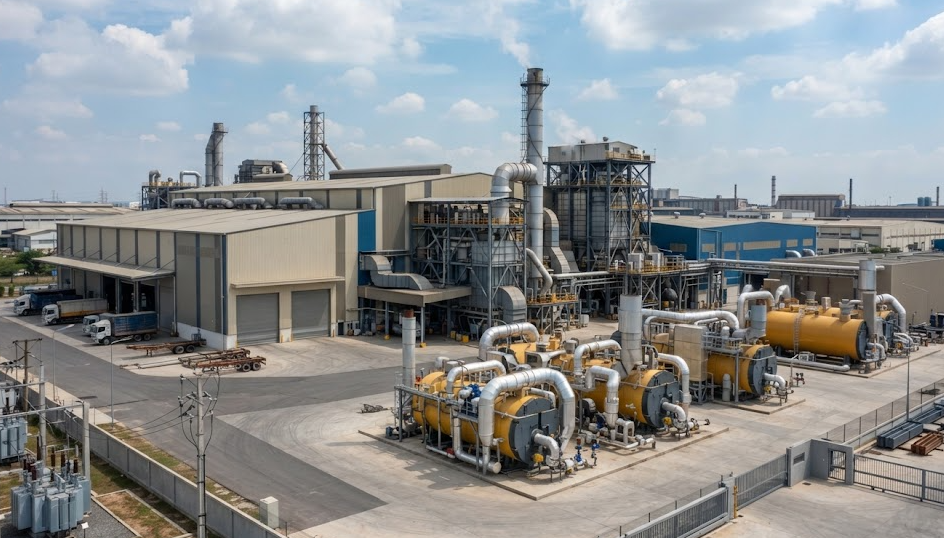
In many heavy industries, a large amount of heat is produced as part of normal production. Hot flue gas from furnaces, kilns, reactors, smelting equipment and other processes can leave the production system at a high temperature.

In many heavy industries, a large amount of heat is produced as part of normal production. Hot flue gas from furnaces, kilns, reactors, smelting equipment and other processes can leave the production system at a high temperature.

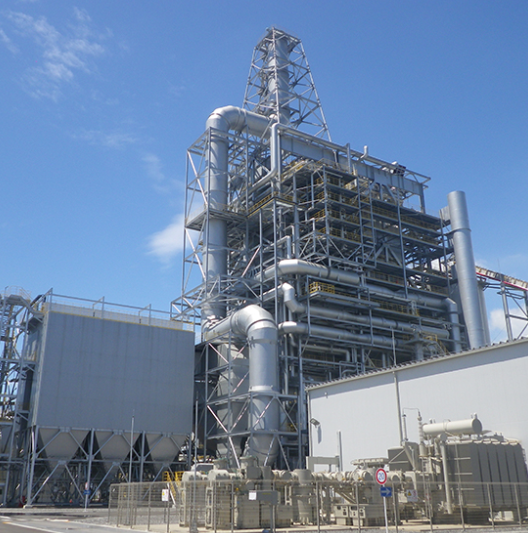
Waste-to-energy projects face a difficult engineering challenge: the fuel is rarely consistent. Solid waste, refuse-derived fuel (RDF), biomass residues, and other alternative fuels can vary in moisture, particle size, ash content, and heating value.

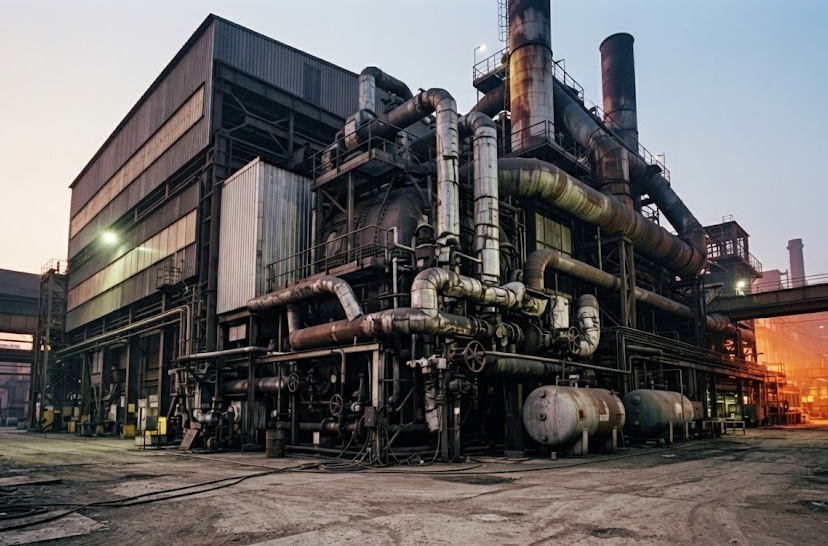
Modern coke and steel plants are under constant pressure to reduce energy consumption while improving production efficiency. One practical solution is the energy saving coke dry quenching boiler, which recovers heat from hot coke and converts it into useful steam.

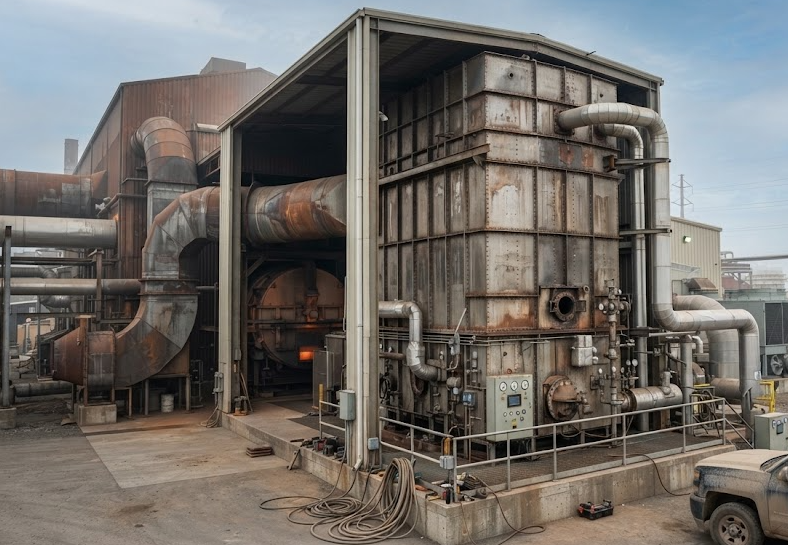
Copper smelting is one of the most energy-intensive processes in non-ferrous metallurgy. At the same time, smelting furnaces generate high-temperature process gases containing significant amounts of recoverable thermal energy.

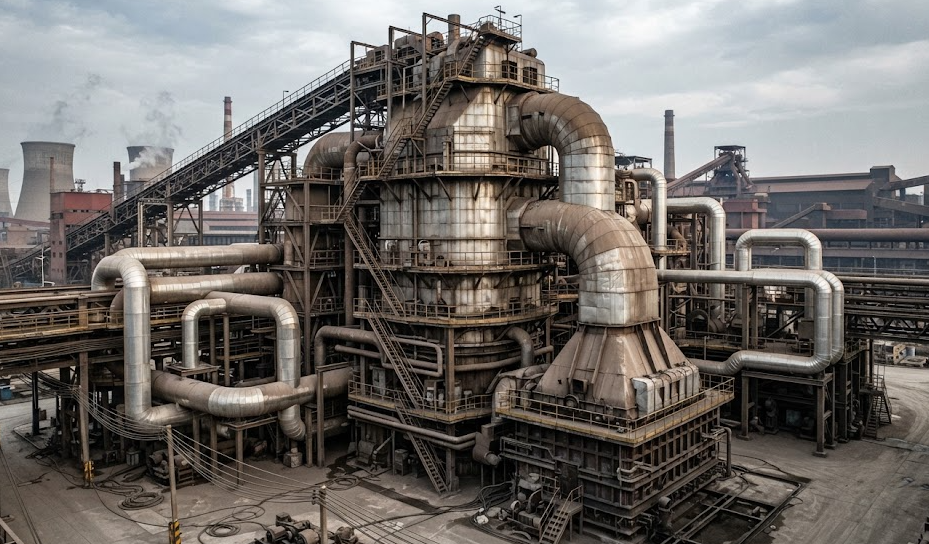
In heavy industrial metallurgy, energy management dictates both operational profitability and environmental compliance. Steelmaking is an intensely thermal and chemical process, generating massive volumes of high-temperature waste gases, combustible byproducts, and secondary steam requirements.
E-MAIL: hailu-sales@hailu-boiler.cn
Address: No.1 Southeast Avenue, Zhangjiagang City, Jiangsu Province, China