


Stock Code
002255




In integrated steelmaking, energy efficiency depends not only on reducing fuel consumption but also on recovering energy already generated during production. Coke dry quenching (CDQ) is an important example. By using circulating inert gas to cool hot coke, a CDQ system captures thermal energy that would otherwise be lost through conventional wet quenching. A steel plant CDQ waste heat boiler converts this recovered heat into steam for power generation or other plant operations.
However, installing a CDQ system does not automatically guarantee high energy recovery. Steam stability, heat-transfer performance, equipment reliability, and integration with the wider plant all determine whether the investment delivers lasting value.
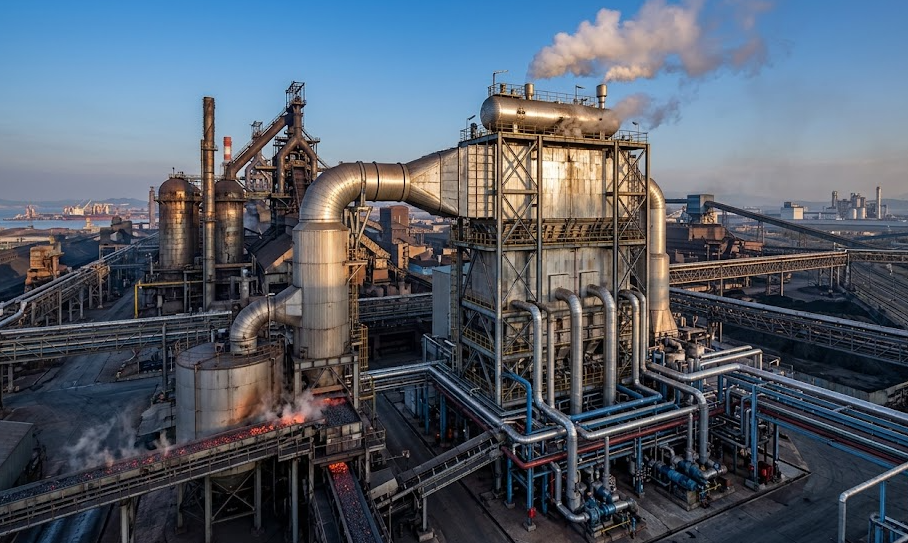
For steelmakers, the first priority is maintaining stable coke production while improving energy utilization. In a CDQ system, hot coke transfers heat to circulating inert gas inside the quenching chamber. The heated gas then passes through a waste heat boiler, where its thermal energy generates steam before the cooled gas returns to the circulation loop.
The boiler must match the actual operating conditions of the CDQ unit. Coke throughput, inlet gas temperature, gas flow, and operating schedules influence the available heat and potential steam output. If these factors are not properly evaluated, the system may fail to recover its expected energy or may struggle when production conditions change.
For project planners, this means assessing the complete heat recovery process rather than selecting a boiler based on nominal capacity alone. Accurate process data helps establish realistic steam-generation targets and supports better coordination between the CDQ unit and downstream users.
Recovered steam can support turbine generation, process heating, and other suitable plant utilities. Yet these applications require dependable steam conditions, not simply a high output during favorable operating periods.
A properly engineered CDQ waste heat recovery boiler must maintain appropriate steam pressure, temperature, and circulation under its intended operating range. Boiler design should account for variations in heat input, water-side conditions, startup requirements, and changes in steam demand.
Integration with the plant's steam network is equally important. Engineers should determine whether recovered steam will feed a turbine, join an existing steam header, or serve specific production processes. Pressure matching, control-valve arrangements, condensate management, and coordination with backup steam sources all influence the usefulness of the recovered energy.
The practical objective is to turn variable process heat into a dependable energy resource without creating new bottlenecks elsewhere in the plant.
CDQ boilers operate under demanding thermal and mechanical conditions. Repeated temperature changes can create thermal stress, while deposits on heat-transfer surfaces can reduce heat absorption and increase gas-side resistance. Water chemistry problems can also contribute to scale formation, corrosion, or impaired heat transfer.
These risks should be addressed during engineering, not only after commissioning.
Key considerations include:
● Heat-transfer surface design: Balance heat recovery with acceptable gas-side pressure drop and practical cleaning access.
● Thermal stress management: Consider startup, shutdown, and operating-temperature changes when evaluating component design.
● Water and steam quality: Establish suitable feedwater treatment, chemical monitoring, and blowdown practices.
● Inspection and maintenance: Provide access to critical components and establish monitoring routines for pressure, temperature, circulation, and other operating indicators.
Maintenance planning should also consider spare-parts availability and the consequences of stopping the CDQ line. For steel plants operating continuously, preventing an avoidable shutdown can be just as important as improving nominal thermal efficiency.
The financial value of a CDQ project depends on more than the amount of steam generated. Plant operators should evaluate the usable energy recovered, auxiliary electricity consumption, maintenance expenses, water treatment, equipment availability, and the cost of integrating the system with existing infrastructure.
For power-generation projects, turbine efficiency and the actual operating profile affect how much electricity can be delivered. For process-steam applications, the value depends on how much recovered steam can reliably replace energy from other sources.
A realistic project assessment should therefore compare expected annual energy recovery with lifecycle costs. It should also define performance boundaries clearly: measured steam output, operating conditions, auxiliary loads, and acceptance-test procedures should be agreed upon before equipment procurement.
Retrofitting a CDQ boiler into an operating steelworks can be more complex than installing equipment in a new facility. Available space, existing pipework, foundation conditions, shutdown windows, and the capacity of the plant's steam network may restrict the design.
Before finalizing an upgrade, engineering teams should review the existing CDQ process data, boiler condition, maintenance history, and future production plans. This helps determine whether the main priority is increasing recovery capacity, improving reliability, replacing aging equipment, or integrating recovered steam more effectively.
Hailu Heavy Industry provides waste heat recovery system engineering, boiler solutions, and related project services. For steelmakers evaluating a new installation or modernization, the company's engineering scope can be discussed in relation to the project's operating data, steam requirements, site conditions, and maintenance objectives.
A steel plant CDQ waste heat boiler delivers value when heat recovery, steam quality, equipment reliability, and plant integration work together. The most effective solution is not necessarily the one with the highest rated output, but the one that converts available coke heat into usable energy consistently and economically.
By assessing real operating conditions, addressing maintenance risks early, and evaluating lifecycle performance, steelmakers can make better-informed CDQ investment decisions while improving energy utilization across their production facilities.