


Stock Code
002255




Tin smelting plants consume considerable energy during concentrate processing, smelting and refining. At the same time, high-temperature exhaust gases carry thermal energy that could otherwise be recovered and reused. Without an effective recovery system, a significant portion of this heat is lost, increasing the overall energy burden of production.
For metallurgical companies, installing a waste heat boiler is not simply about generating steam. The equipment must handle fluctuating gas temperatures, dust accumulation and demanding operating conditions while maintaining reliable performance. This is why choosing an experienced tin metallurgy waste heat boiler factory is important for long-term plant efficiency.
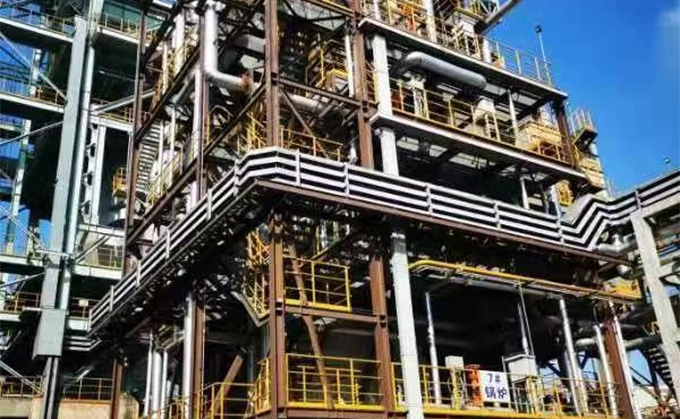
One challenge in tin metallurgy is that furnace exhaust conditions are not always stable. Gas temperature and flow can change with furnace load, raw material composition and production schedules. If the waste heat boiler cannot accommodate these variations, steam output may fluctuate and downstream equipment may be affected.
An effective recovery system should therefore be designed around actual furnace operating conditions rather than theoretical maximum temperatures.
Before selecting equipment, plant operators should evaluate exhaust-gas volume, temperature range, operating hours and required steam parameters. This information helps determine the appropriate heat-transfer surface, boiler capacity and system arrangement.
For existing smelters, compatibility with the current furnace, gas ducts and downstream treatment equipment is equally important. Proper integration helps reduce installation difficulties and avoid unnecessary modifications to the production line.
Dust is one of the most important operational concerns in metallurgical waste heat recovery. Flue gas from smelting processes may contain fine particles that gradually accumulate on heating surfaces. As deposits become thicker, heat transfer deteriorates and gas-side resistance may increase.
These problems can lead to reduced thermal performance, higher maintenance requirements and unplanned production interruptions.
A reliable tin smelting waste heat boiler should take gas characteristics into account during the design stage. Engineers need to assess dust concentration, particle properties, gas velocity and the accessibility of heating surfaces for inspection and cleaning.
Maintenance arrangements should also be considered before manufacturing. Adequate inspection access and suitable cleaning provisions can make a significant difference to long-term equipment availability.
High-temperature metallurgical applications place demanding requirements on boiler pressure parts and circulation systems. Repeated temperature changes during startup, shutdown and load adjustment can create thermal stress, while unsuitable water conditions may contribute to scaling and reduced heat-transfer performance.
Forced circulation is one arrangement used in industrial waste heat boiler applications. Its suitability depends on the required operating conditions, heat flux, water-side parameters and overall boiler configuration.
For buyers comparing a tin metallurgy waste heat boiler manufacturer, important technical considerations include:
● Design pressure and operating temperature
● Heating-surface arrangement and heat-transfer capacity
● Water circulation and flow distribution
● Thermal expansion and structural support
● Feedwater quality and water treatment requirements
● Inspection, cleaning and maintenance accessibility
Evaluating these factors together helps reduce the risk of equipment failures and costly maintenance during operation.
Recovering heat is only valuable when the generated steam can be used effectively. If boiler capacity is too small, it may not meet the plant's utility demand. Excessive capacity, on the other hand, can increase investment without delivering corresponding benefits.
Smelting plants should identify their steam consumption, required working pressure, peak demand and operating schedule before confirming equipment specifications.
The waste heat boiler must also work with downstream gas treatment and the existing steam distribution network. In particular, the boiler outlet-gas temperature and pressure drop should be compatible with the requirements of connected equipment.
A coordinated design helps avoid situations where the boiler performs adequately on its own but creates operational limitations for the wider production system.
Selecting a tin metallurgy waste heat boiler supplier requires more than comparing prices and rated capacities. Buyers should examine the manufacturer's metallurgical engineering experience, manufacturing quality, project coordination and after-sales support.
Hailu Heavy Industry provides non-ferrous metallurgy waste heat boiler solutions covering applications such as copper, nickel, lead-zinc and tin smelting. Its published project references include forced-circulation waste heat boiler applications in copper smelting and converting processes, demonstrating experience in industrial metallurgical heat recovery.
For tin smelting projects, the final equipment configuration should be determined according to furnace conditions, gas characteristics, steam requirements and site layout. Manufacturing quality, welding inspection, pressure testing and commissioning support should also be confirmed during procurement.
For tin smelting plants, effective waste heat recovery depends on more than capturing high-temperature exhaust gas. Dust control, heat-transfer stability, circulation design, steam demand and system integration all influence long-term performance.
Choosing the right tin metallurgy waste heat boiler factory can help businesses reduce avoidable heat losses, improve steam utilization and manage equipment maintenance more effectively. With its non-ferrous metallurgy boiler portfolio and industrial project experience, Hailu Heavy Industry offers solutions worth evaluating for tin smelting plants seeking reliable waste heat recovery systems.