


Stock Code
002255




In sulfur recovery units, sulfuric acid plants, and petrochemical refining systems, large amounts of high-temperature exhaust gas are generated during chemical reactions and thermal processing. Traditionally, this heat energy was released into the atmosphere, resulting in energy loss and increased operational costs.
Modern industrial engineering now focuses on capturing and reusing this thermal energy through advanced sulfur chemical waste heat boilers. These systems play a crucial role in improving energy efficiency, reducing emissions, and optimizing overall plant performance.
As global industries move toward greener and more energy-efficient production systems, companies like Hailu Heavy Industry are developing high-performance waste heat recovery solutions designed specifically for sulfur-based chemical processes.
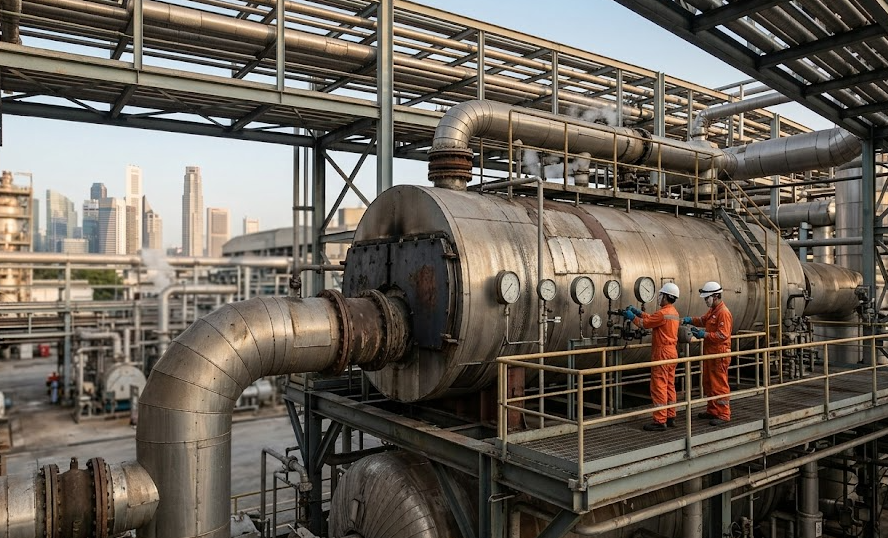
The operation of a sulfur chemical waste heat boiler is based on a straightforward but highly efficient energy conversion process.
High-temperature gases produced during sulfur combustion or oxidation are directed through the boiler’s heat exchange surfaces.
Inside the boiler, specialized heat exchange tubes absorb thermal energy from the gas stream and transfer it to water circulating within the system.
The absorbed heat converts water into high-pressure steam, which can then be used for:
● Power generation
● Process heating
● Plant utility systems
● Turbine operation
After heat extraction, the cooled gas is safely released or further treated, significantly reducing thermal pollution.
Modern sulfur process waste heat boiler systems are engineered to handle highly corrosive and high-temperature environments while maintaining long-term operational stability.
Sulfur processing environments often exceed extreme temperature ranges. Waste heat boilers used in these applications are constructed with:
● High-grade heat-resistant steel
● Corrosion-resistant alloys
● Reinforced tube structures
This ensures stable operation under continuous thermal stress.
Sulfur compounds can produce acidic by-products that accelerate corrosion. Advanced boiler systems integrate:
● Anti-corrosion coatings
● Acid-resistant materials
● Optimized flue gas flow paths
These features significantly extend equipment lifespan.
The efficiency of a sulfur chemical waste heat boiler depends heavily on its heat exchange design.
Modern systems feature:
● Large heat transfer surfaces
● Optimized tube layouts
● Enhanced turbulence flow structures
These improvements maximize thermal energy recovery from process gases.
A key requirement in industrial applications is consistent steam quality.
High-performance systems ensure:
● Stable steam pressure
● Continuous steam generation
● Reduced fluctuations in output
This is essential for downstream chemical processes and energy systems.
The use of sulfur waste heat recovery technology spans multiple heavy industries.
In sulfuric acid manufacturing, sulfur combustion produces large volumes of high-temperature SO₂ gas.
A sulfuric acid plant waste heat boiler system captures this energy and converts it into steam for:
● Internal plant use
● Electricity generation
● Process heating
This significantly improves plant energy efficiency.
In oil refining and gas processing, sulfur recovery units generate continuous heat during Claus process reactions.
Waste heat boilers help:
● Recover thermal energy
● Improve process stability
● Reduce fuel consumption
Refineries use sulfur chemical waste heat boilers to:
● Improve overall energy integration
● Reduce CO₂ emissions
● Optimize utility systems
Other applications include:
● Non-ferrous metal processing
● Chemical synthesis plants
● Industrial gas treatment systems
One of the most important advantages of sulfur chemical waste heat boilers is their contribution to sustainable industrial development.
Instead of wasting high-temperature exhaust heat, these systems convert it into usable energy, improving overall plant efficiency.
Recovered steam can replace externally generated steam, significantly reducing fuel usage.
By improving energy utilization efficiency, sulfur waste heat boilers help reduce greenhouse gas emissions.
Many modern plants must meet strict emission standards. Waste heat recovery systems help facilities comply with environmental regulations more effectively.
Designing a reliable industrial sulfur waste heat boiler system requires addressing several technical challenges:
Sulfur compounds can form acidic condensates, requiring specialized material selection.
Frequent temperature fluctuations require robust structural design to avoid fatigue damage.
Particulate buildup can reduce heat transfer efficiency, requiring optimized gas flow design.
Advanced engineering solutions from companies like Hailu Heavy Industry focus on solving these challenges through material innovation and system optimization.
As a professional manufacturer of industrial thermal systems, Hailu Heavy Industry specializes in designing and producing high-efficiency waste heat recovery equipment for sulfur-based chemical processes.
The company integrates modern thermal simulation and structural design technologies to optimize heat exchange efficiency.
Equipment is built using high-strength, corrosion-resistant materials suitable for long-term operation in harsh chemical environments.
Different industrial plants require different configurations. Hailu Heavy Industry provides customized solutions based on:
● Gas temperature conditions
● Sulfur concentration levels
● Steam demand requirements
● Plant layout constraints
Reliable performance is a key focus, ensuring continuous operation in demanding industrial environments.
The sulfur chemical waste heat boiler has become a critical component in modern sulfur processing and chemical production systems. By capturing and reusing high-temperature process heat, these systems significantly improve energy efficiency, reduce emissions, and enhance overall plant performance.
From sulfuric acid production to petrochemical refining, waste heat recovery technology plays an essential role in supporting sustainable industrial operations.
With advanced engineering expertise and a strong focus on efficiency and durability, Hailu Heavy Industry continues to deliver high-performance sulfur waste heat boiler solutions that meet the evolving demands of global industries.
Investing in modern waste heat recovery technology is not only an operational improvement—it is a strategic step toward a more efficient and environmentally responsible industrial future.