


Stock Code
002255




In high-stakes chemical processing, thermal efficiency is directly tied to bottom-line profitability and environmental compliance. High-temperature exothermic reactions—such as sulfur dioxide oxidation, ammonia synthesis, and ethylene cracking—generate massive quantities of high-temperature flue gas and process waste heat. Historically, a significant portion of this energy was lost through cooling towers or direct flaring, resulting in lost thermal energy and increased carbon taxation penalties.
To eliminate this waste, modern petrochemical and refining operations are shifting toward closed-loop energy systems. Implementing a high-capacity heat recovery boiler for chemical plant applications transforms high-temperature waste streams into a valuable operational asset. By capturing high-temperature process gas and converting it into high-pressure superheated steam, this system drives downstream turbines, powers heating loops, and slashes utility costs across the facility.
Hailu Heavy Industry stands at the cutting edge of this specialized industrial engineering sector. By utilizing advanced metallurgy, precise gas fluidics calculations, and custom-engineered mechanical structures, Hailu Heavy Industry integrates high-performance heat recovery systems directly into aggressive chemical processing lines, ensuring maximum thermal extraction under strict safety protocols.
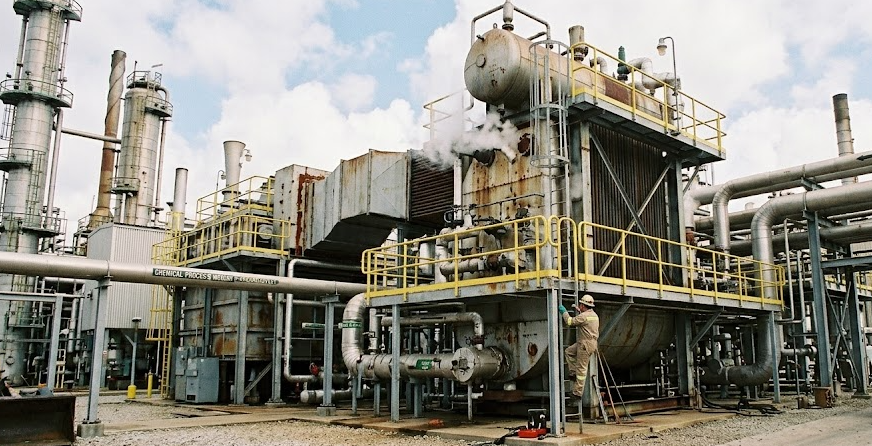
The core objective of a process gas recovery system is to extract the maximum amount of thermal energy without disrupting the delicate pressure boundaries or reaction kinetics of the upstream chemical reactor. Because chemical process gases frequently carry high dust loads, corrosive compounds, or volatile mixtures, the heat exchanger profile must be meticulously calibrated.
When configuring an industrial gas heat recovery boiler for chemical plant lines, managing the temperature drop gradient is critical. If the process gas cools too slowly, valuable energy is lost; if it cools too rapidly or drops below the acid dew point, corrosive particulates will condense directly onto the heat exchanger tubes, causing rapid structural pitting. Hailu Heavy Industry solves this thermal paradox by engineering optimized gas velocity profiles and custom tube arrangements. This design maintains the tube wall temperature safely above the chemical condensation point while ensuring rapid, high-density heat transfer to the water-steam loop.
Chemical plant waste streams present some of the most destructive operating environments inheavy industry. For example, in sulfuric acid plants or gasification units, the flue gas stream isfilled with highly corrosive sulfur oxides (SOx), hydrochloric acid (HCI), and abrasive catalyst dust particles traveling at high velocities.
To withstand these harsh conditions, a premium corrosion resistant heat recovery boiler for chemical plant operations must use advanced metallurgy rather than standard carbon steel. Hailu Heavy Industry utilizes specialized high-chromium ferritic steels, austenitic alloys, and nickel-based Inconel cladding in the high-exposure convection zones. Additionally, high-wear areas like tube bends are outfitted with structural erosion shields. This dual-layer defense system prevents high-temperature hydrogen attack (HTHA) and thermal stress cracking, allowing the boiler to run continuously for years without unexpected shutdowns.
The water-steam circulation loop inside the boiler must adapt dynamically to changes in upstream chemical production rates. Sudden spikes in chemical reactor throughput create immediate thermal surges that can destabilize standard natural-circulation boilers, leading to localized dryouts or steam-lock failures inside the generator tubes.
Integrating a high-performance high pressure steam heat recovery boiler requires a highly responsive fluid circulation architecture. The system utilizes either a controlled forced-circulation configuration or an optimized natural-circulation design featuring high-volume downcomers and modern water-wall headers.
This advanced fluid layout ensures a continuous, high-velocity water flow across all evaporation surfaces. The system rapidly absorbs sudden thermal spikes, vaporizes the water cleanly, and delivers high-purity superheated steam directly to the facility's main header. This reliable steam supply can feed local co-generation power plants, drive heavy-duty compressor turbines, or support complex distillation columns, turning a waste product into core operational energy.
A heat recovery system can only maintain peak efficiency if its heat exchange surfaces remain clean. In many chemical processes, fine ash, unburned carbon, or chemical dust continuously settle on the boiler tubes. Over time, this accumulation forms an insulating layer that degrades heat transfer efficiency, leading to higher outlet temperatures and lost energy recovery.
To maintain continuous peak efficiency, an energy efficient heat recovery boiler for chemical plant integration features advanced online cleaning technologies:
● Automated Sonic and Steam Sootblowers: Programmable cleaning systems discharge targeted acoustic waves or high-pressure steam pulses at regular intervals, clearing away dust accumulation without interrupting operations.
● Enclosed Gas-Tight Casings: Fully welded, membrane-wall constructions prevent hazardous process gases from escaping into the facility, protecting workers and ensuring strict environmental compliance.
● Predictive Thermal Diagnostics: The integrated control platform tracks real-time shifts in gas-side pressure drops and thermal efficiency, allowing technicians to schedule maintenance based on actual performance data rather than guesswork.
From a corporate purchasing and plant management perspective, selecting an engineered thermal recovery system from Hailu Heavy Industry is a decisive strategy for future-proofing your facility's energy footprint. As global carbon emission penalties tighten and fuel prices fluctuate, factories that rely on outdated, single-pass thermal designs face major operational and financial liabilities.
Investing in a premium modular heat recovery system delivers immediate commercial returns across your operations. By capturing and repurposing thousands of gigajoules of energy that would otherwise be flared or vented, your facility dramatically lowers its external fuel and electricity purchases. This drop in energy consumption slashes your carbon footprint, ensures compliance with strict environmental regulations, and lowers your per-ton chemical production costs, giving you a powerful competitive advantage in the global market.