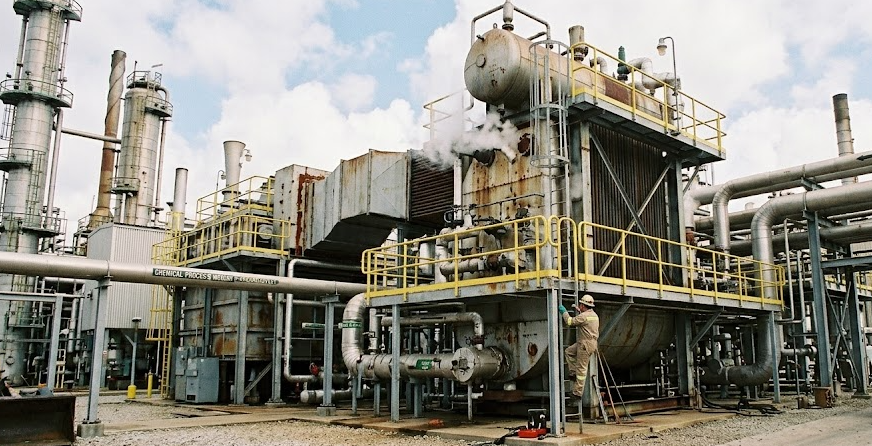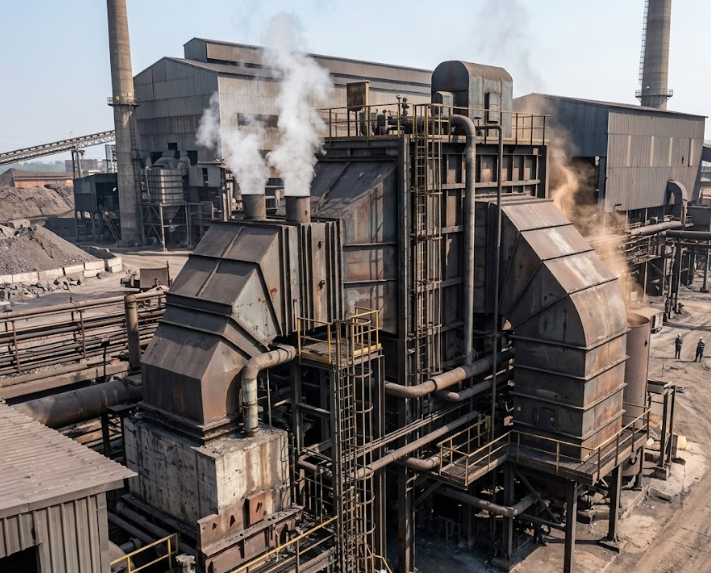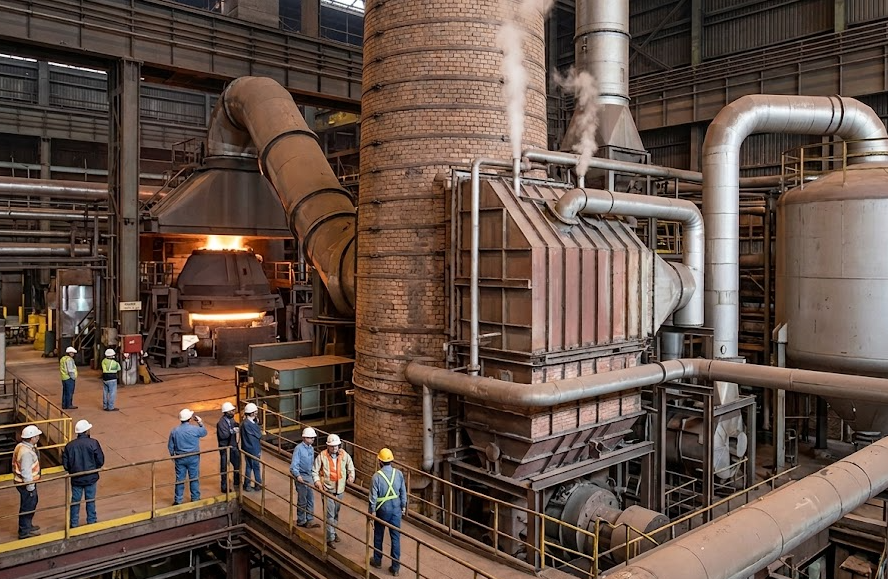



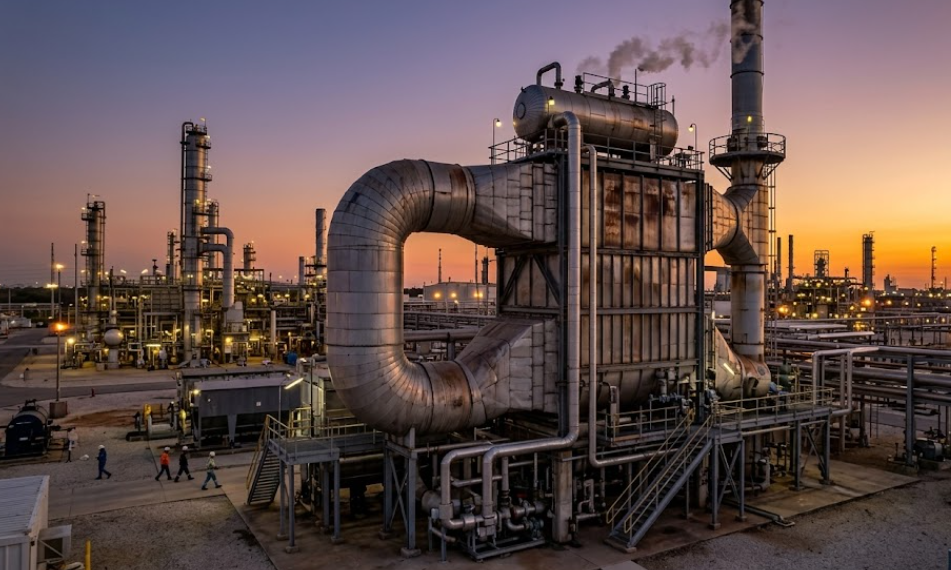
In large-scale petroleum refining, the Fluid Catalytic Cracking (FCC) unit is the primary economic engine of the facility, converting heavy atmospheric residues into high-value transport fuels and petrochemical feedstocks.

In large-scale petroleum refining, the Fluid Catalytic Cracking (FCC) unit is the primary economic engine of the facility, converting heavy atmospheric residues into high-value transport fuels and petrochemical feedstocks.

Fluid Catalytic Cracking (FCC) units are among the most energy-intensive and operationally critical systems in modern petroleum refineries. They generate large volumes of high-temperature flue gas containing carbon monoxide (CO), which represents both an energy opportunity and a safety risk if not properly managed.

In the complex thermal hierarchy of a modern refinery, the Fluid Catalytic Cracking (FCC) unit stands as the primary engine of conversion, transforming heavy crude fractions into high-value transportation fuels and chemical feedstocks.

In the high-stakes world of oil refining, efficiency is the difference between a thriving operation and a struggling one. The Fluid Catalytic Cracking (FCC) unit is the heart of the refinery, but it is also a source of immense wasted energy.

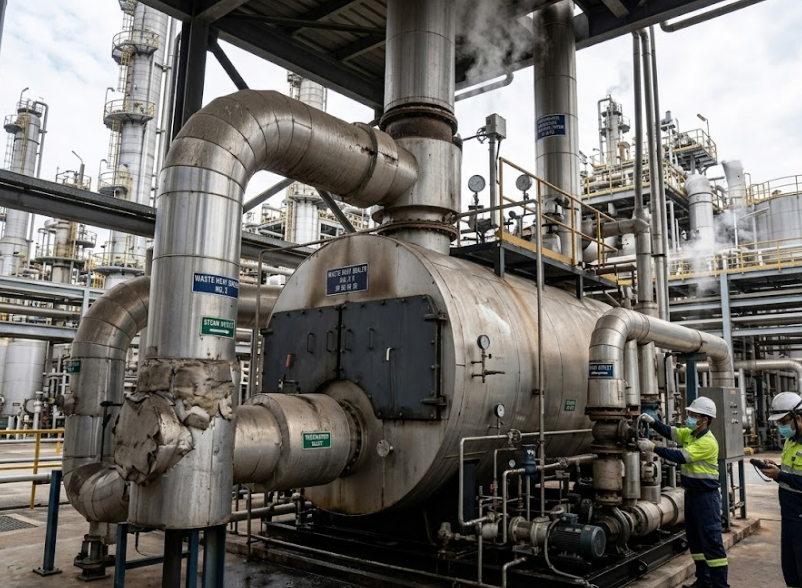
In the ever-evolving landscape of the oil refining industry, the quest for energy efficiency and sustainability has led to the widespread adoption of natural circulation Fluid Catalytic Cracking (FCC) waste heat boilers.
E-MAIL: hailu-sales@hailu-boiler.cn
Address: No.1 Southeast Avenue, Zhangjiagang City, Jiangsu Province, China