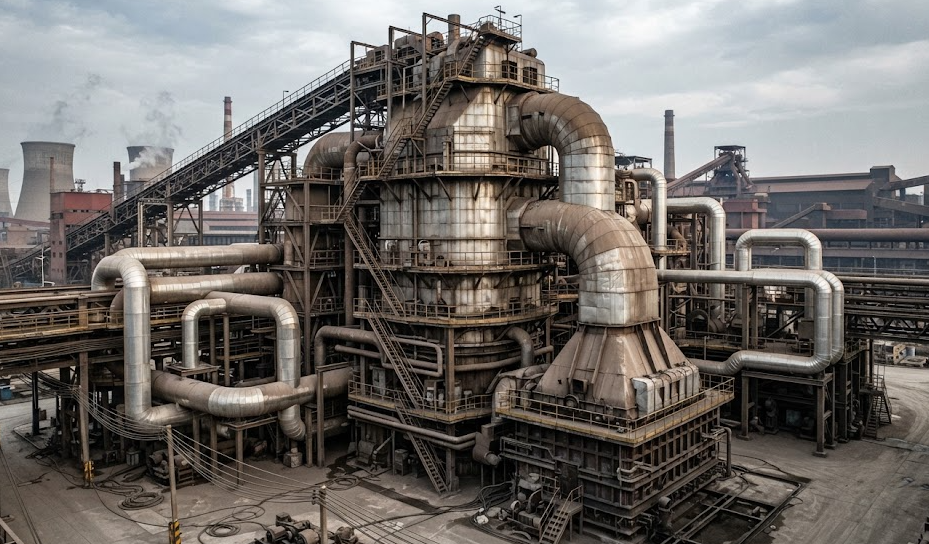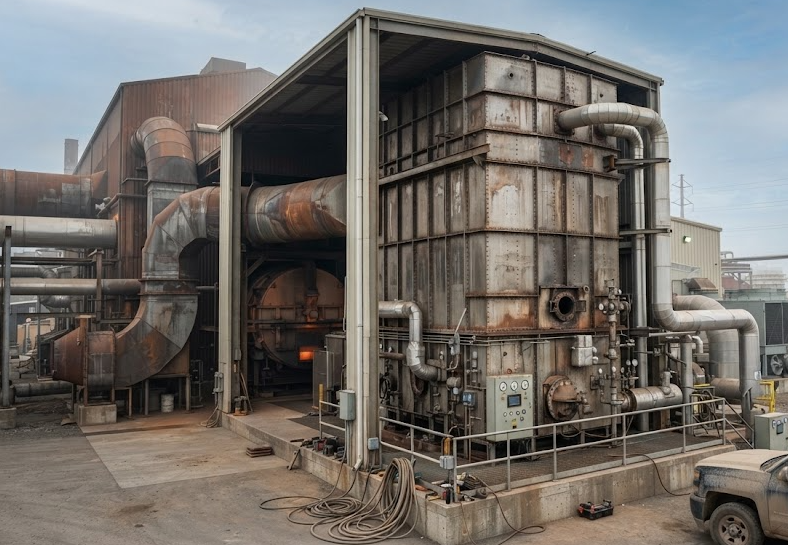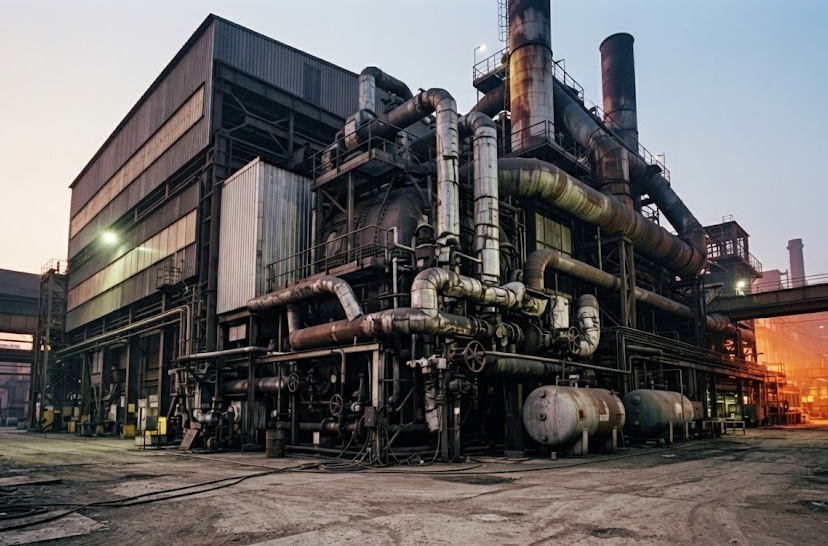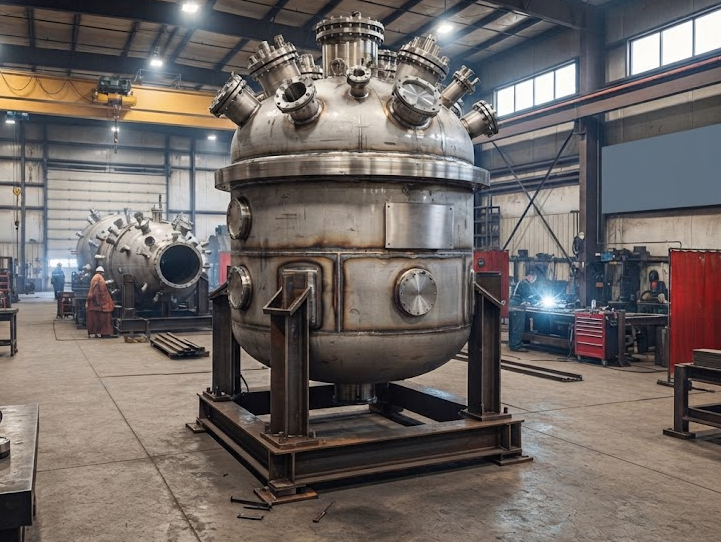



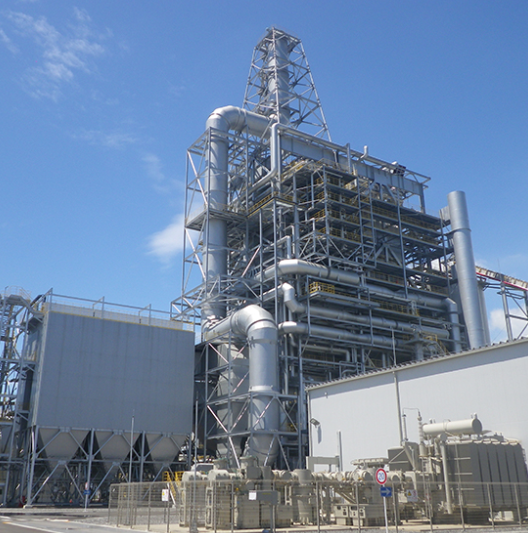
In the ever-evolving landscape of the oil refining industry, the quest for energy efficiency and sustainability has led to the widespread adoption of natural circulation Fluid Catalytic Cracking (FCC) waste heat boilers.

In the ever-evolving landscape of the oil refining industry, the quest for energy efficiency and sustainability has led to the widespread adoption of natural circulation Fluid Catalytic Cracking (FCC) waste heat boilers.

In modern petroleum refining, energy efficiency and operational reliability are no longer optional—they are critical economic and environmental requirements. Among refinery processes, the Fluid Catalytic Cracking (FCC) unit remains one of the most energy-intensive systems, especially when processing heavy oil feedstocks with high sulfur and carbon residue content.

A practical guide to choosing the right FCC waste heat boiler for refinery projects, from steam parameters and circulation type to supplier experience and EPC support.

Learn how FCC waste heat boilers improve refinery energy efficiency through flue gas recovery, steam generation, and better utility integration.

The maximum diameter reaches 10.2 meters, the total length is 109 meters, and the weight is over 2,000 tons.
E-MAIL: hailu-sales@hailu-boiler.cn
Address: No.1 Southeast Avenue, Zhangjiagang City, Jiangsu Province, China