


Stock Code
002255




In modern petroleum refining, energy efficiency and operational reliability are no longer optional—they are critical economic and environmental requirements. Among refinery processes, the Fluid Catalytic Cracking (FCC) unit remains one of the most energy-intensive systems, especially when processing heavy oil feedstocks with high sulfur and carbon residue content.
A key component supporting thermal recovery and process stability is the FCC waste heat boiler. Designed to recover high-temperature flue gas energy generated during catalytic cracking, the boiler converts waste heat into valuable steam for refinery operations.
However, operating conditions inside heavy oil catalytic cracking units are extremely demanding. High temperatures, corrosive gases, catalyst particles, pressure fluctuations, and coke deposition all create severe challenges for equipment reliability.
This is why refinery operators increasingly focus on selecting a reliable FCC waste heat boiler manufacturer capable of delivering long-term thermal stability, corrosion resistance, and operational efficiency. Companies such as Hailu Heavy Industry have become important contributors in this field through advanced boiler engineering and industrial manufacturing expertise.
Waste heat boilers are designed to recover heat from the flue gases produced during the catalytic cracking process. This recovered heat can be utilized to generate steam, which is essential for various operations within the refinery. The efficiency of an FCC unit largely depends on the effectiveness of its waste heat boiler. Therefore, ensuring the reliability of these systems is critical for optimal performance.
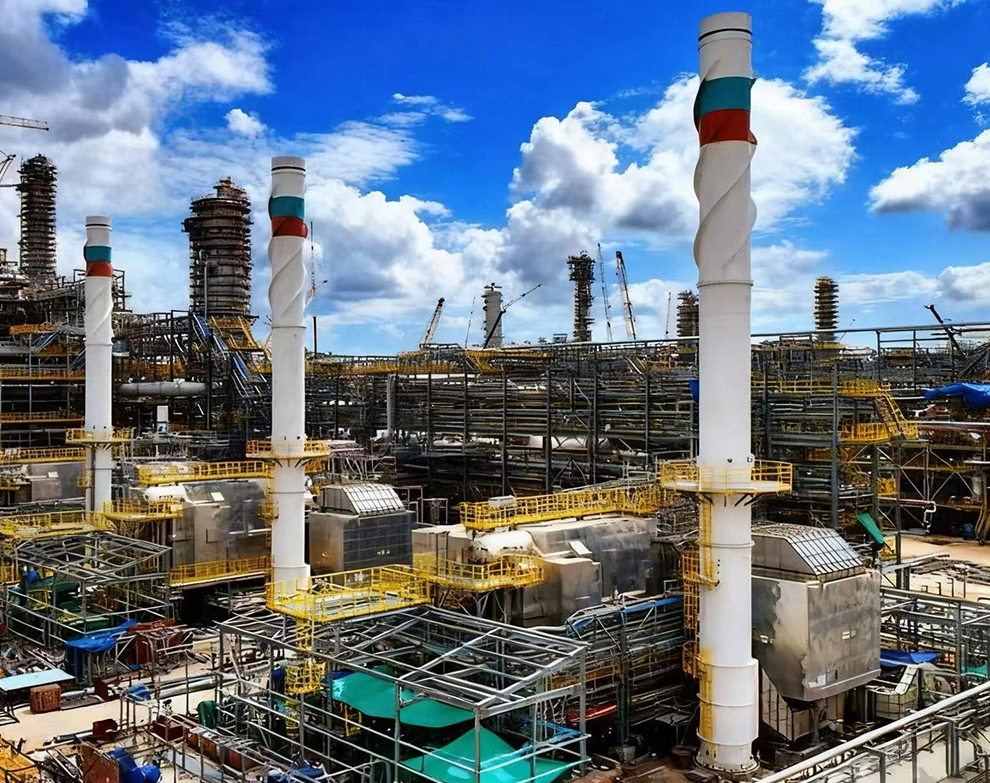
The materials used in the construction of waste heat boilers significantly impact their durability and reliability. High-temperature and corrosion-resistant materials are essential to withstand the harsh operating conditions typical in FCC units. Hailu Heavy Industry employs advanced materials and engineering techniques to enhance the longevity of their waste heat boilers.
The design of the waste heat boiler must accommodate the specific operational parameters of the FCC unit. This includes considerations for heat transfer efficiency, pressure drop, and flow distribution. Hailu Heavy Industry utilizes state-of-the-art design software to simulate and optimize boiler performance, ensuring that each unit is tailored to meet the unique demands of its application.
Regular maintenance is crucial for the reliability of waste heat boilers. Implementing a proactive maintenance schedule can prevent unexpected failures and extend the lifespan of the equipment. Hailu Heavy Industry offers comprehensive maintenance services, including inspections, cleaning, and repairs, to ensure that their waste heat boilers operate at peak efficiency.
Advanced control systems play a vital role in monitoring and managing the performance of waste heat boilers. These systems can detect anomalies and adjust operational parameters in real-time, enhancing reliability. Hailu Heavy Industry integrates cutting-edge control technologies into their waste heat boilers, allowing for seamless operation and improved safety.
The reliability of waste heat boilers is also influenced by the expertise of the personnel operating them. Comprehensive training programs for operators can significantly reduce the risk of human error and enhance the overall performance of the system. Hailu Heavy Industry emphasizes the importance of operator training, providing resources and support to ensure that staff are well-equipped to manage the equipment effectively.
The reliability of FCC waste heat boilers directly correlates with the overall efficiency of the catalytic cracking process. A reliable boiler ensures consistent steam generation, which is essential for maintaining optimal operating conditions within the FCC unit. This, in turn, leads to improved product yields and reduced energy consumption, ultimately enhancing the profitability of the refinery.
In conclusion, the reliability of FCC waste heat boilers is influenced by various factors, including material selection, design, maintenance practices, control systems, and operator training. Hailu Heavy Industry stands out in the industry by providing innovative solutions that address these critical aspects, ensuring that their waste heat boilers operate reliably and efficiently. By investing in high-quality equipment and comprehensive support services, refineries can enhance their operational performance and achieve greater energy efficiency.