


Stock Code
002255




In a refinery, energy loss rarely comes from one dramatic failure. More often, it leaks away in the form of hot flue gas, unstable steam balance, and equipment that does not fully recover the value of process heat. That is why the waste heat boiler connected to the FCC unit matters so much. In many refining projects, it is not just an auxiliary device. It is part of the plant’s energy strategy.
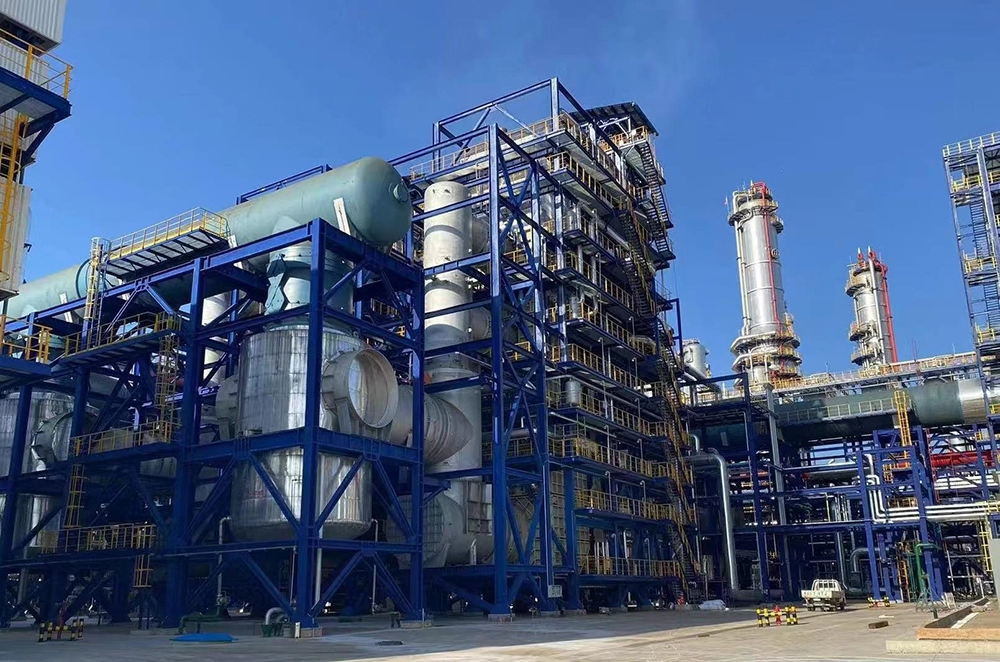
A Fluid Catalytic Cracking (FCC) Waste Heat Boiler is designed to recover heat from the high-temperature flue gas generated by catalytic cracking and convert that heat into useful steam. On Hailu Heavy Industry’s product page, the FCC section is positioned within its broader waste heat boiler business, which focuses on waste heat and residual heat utilization systems, along with design, installation, operation support, and EPC delivery for complete waste heat recovery equipment.
In day-to-day refinery operation, the FCC unit is one of the most important contributors to both throughput and energy demand. The hot flue gas from catalytic cracking contains recoverable thermal value. If that energy is discharged without proper recovery, the refinery must compensate elsewhere through additional fuel consumption, higher utility costs, and greater operating pressure on steam systems.
This is where FCC waste heat boilers create practical value. Instead of letting flue gas heat leave the process boundary, the boiler captures it and produces steam that can be reused in the refinery. That improves overall thermal efficiency, supports utility integration, and reduces the need for external fuel input. For refinery operators, this is not an abstract sustainability discussion. It directly affects operating economics, energy balance, and long-term unit performance.
FCC service conditions are demanding. Gas temperature, load changes, operating pressure, and process continuity all place higher requirements on equipment design. A refinery does not need a generic boiler package. It needs a system built for catalytic cracking duty.
The Hailu page shows that its FCC waste heat boiler projects commonly use slightly positive pressure operation and natural circulation, while several reference projects also use modular layouts or single-drum π-type structures. Representative operating data on the page includes steam pressures such as 3.82 MPa, 4.3 MPa, and even combined medium- and high-pressure configurations reaching 4.5/9.8 MPa, with steam temperatures around 420°C to 540°C depending on the project. Those details matter because they show the equipment is being engineered around actual refinery process needs rather than marketed as a one-size-fits-all boiler.
The most direct benefit is obvious: heat recovery. FCC units generate high-temperature flue gas, and the boiler turns that heat into useful steam. In Hailu’s project examples, the boilers are specifically described as recovering energy from high-temperature flue gas generated by heavy oil catalytic cracking units. That recovered heat becomes part of the refinery utility system instead of being lost to the atmosphere.
Energy efficiency is not only about how much heat is captured. It is also about how well that recovered energy can be used. Steam produced by the waste heat boiler can support other process sections, reducing dependency on separately fired steam generation. When steam output is designed to match plant demand, the refinery benefits from a more balanced and more efficient utility structure.
The operating data listed on Hailu’s FCC page shows a wide range of evaporation capacities, from smaller units to large-scale projects reaching 205 t/h. That range suggests the company is serving different refinery sizes and process conditions, which is important when steam balance is a plant-wide concern rather than a single-equipment issue.
Every ton of steam produced through recovered process heat reduces the burden on other fired equipment. In practical terms, that can lower fuel use, improve overall energy intensity, and support more efficient operation across the refinery. This is especially important in large FCC or DCC units where the scale of recoverable heat is significant.
The project list on the page includes multiple refinery references from Sinopec, PetroChina, and other petrochemical users, covering FCC and DCC projects across many years. That long record shows FCC heat recovery is not a niche solution. It is a proven pathway for reducing avoidable energy waste in large refining systems.
A good FCC waste heat boiler does not work in isolation. It must fit the process, the layout, the control logic, and the operating philosophy of the refinery. Hailu’s page emphasizes not only manufacturing, but also system solutions and EPC capability. That matters because in real projects, efficiency gains often depend on how well the waste heat boiler is integrated with upstream and downstream systems.
One useful detail on the product page is the historical evolution section for refinery catalytic CO waste heat boilers. Hailu notes that it started design and manufacturing work in this area in 1996. The page outlines a development path from early drum-type D-type boilers to modular design, and then to π-type design with the combustion chamber integrated into the waste heat boiler structure.
That evolution is important because it reflects how refinery equipment moves forward in practice. Better structure, better integration, and better adaptation to operating conditions usually come from accumulated project experience, not only from theoretical design. For buyers and engineering teams, this kind of track record is often more meaningful than broad marketing language.
When a refinery evaluates an FCC waste heat boiler, the real questions are often practical.
Can the supplier handle large unit capacity?
Can the design match actual pressure and temperature requirements?
Does the company understand natural circulation versus forced circulation choices?
Can it support modular delivery or project-specific structure selection?
Has it already delivered similar equipment to large refining users?
On the Hailu page, the performance list includes projects from the early 1990s through 2024, with multiple FCC and DCC references, different circulation modes, and a wide range of capacities and pressure levels. That kind of list helps buyers judge whether the manufacturer has real experience in refinery heat recovery rather than only general boiler production capability.
Hailu Heavy Industry presents itself as a technology-driven manufacturer with a long operating history dating back to 1956, broad heavy-industry manufacturing coverage, and a dedicated waste heat boiler research institute. The company states that its waste heat boiler products serve more than 30 industries and have been exported to more than 80 countries and regions, with over 500 users worldwide. That wider background matters for FCC boiler buyers because refinery projects usually favor suppliers with strong engineering depth, manufacturing capacity, and long-cycle service capability.
An FCC waste heat boiler improves refinery energy efficiency in a simple but important way: it turns process waste into usable value. But in real projects, the difference between a nominal heat recovery device and a productive long-term asset comes down to design quality, operating fit, and project experience.
For refinery operators, EPC contractors, and engineering teams, the right FCC waste heat boiler is not just about recovering heat from flue gas. It is about improving steam utilization, lowering avoidable fuel demand, and building a more efficient refinery utility system around actual process conditions. That is where experienced product design and proven project references become decisive.