


Stock Code
002255




For energy-intensive industries, rising fuel costs and pressure to improve energy efficiency are making waste heat recovery an increasingly important part of plant optimization. Industrial boilers, furnaces, and heating systems often release substantial thermal energy through exhaust gases. When this energy is not recovered, facilities lose an opportunity to reduce fuel consumption and improve overall thermal performance.
However, installing an air preheater is not simply a matter of adding another heat exchanger. Different production processes have different fuel characteristics, exhaust temperatures, dust levels, and operating requirements. A custom industrial air preheater must address these conditions while maintaining stable operation, manageable maintenance costs, and compatibility with existing equipment.
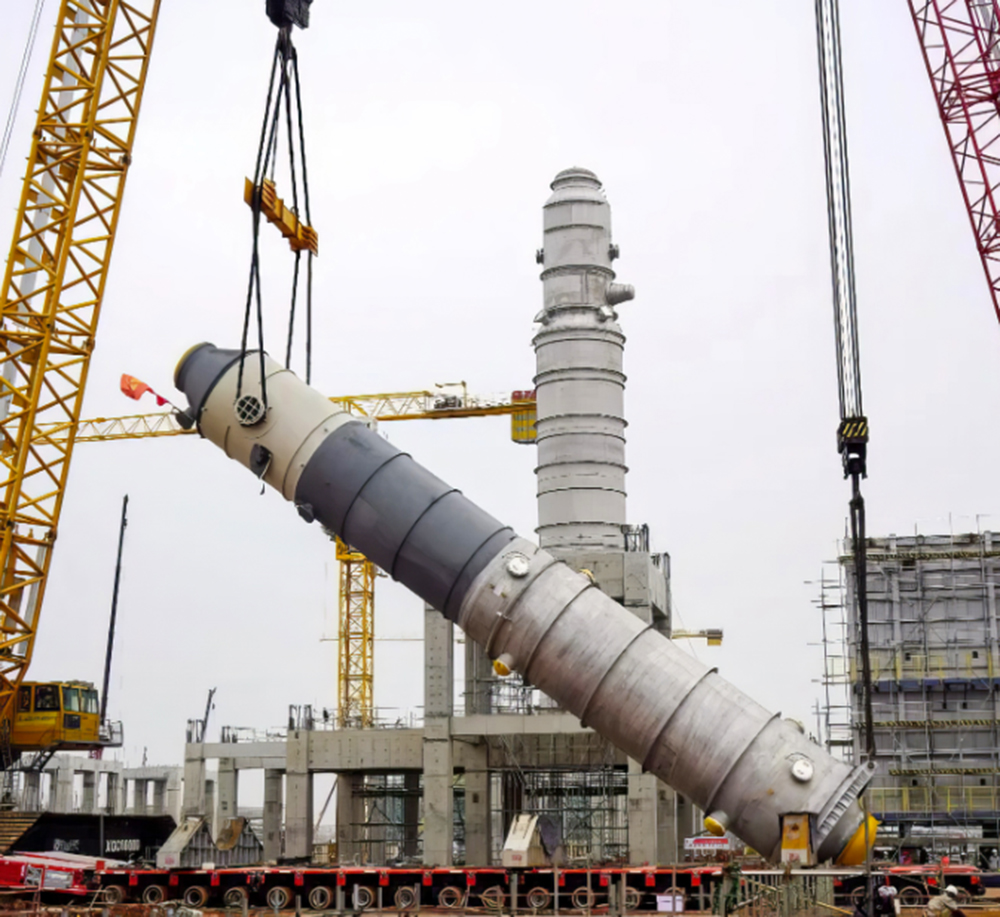
For many plant operators, replacing an entire boiler or furnace is too expensive and disruptive. Improving the efficiency of existing equipment is often a more practical approach.
An air preheater recovers heat from outgoing flue gas and transfers it to incoming combustion air. The preheated air reduces the additional energy required to reach the target combustion temperature, helping lower fuel demand under suitable operating conditions.
The actual benefit depends on the original exhaust temperature, combustion system, fuel type, and operating load. Before investing in heat recovery equipment, buyers should evaluate the existing thermal balance and identify how much exhaust heat can be practically recovered.
For steel plants, refineries, and non-ferrous metal producers, this assessment can help prioritize energy-saving projects without requiring major changes to the entire production line.
A common purchasing mistake is evaluating an air preheater mainly by its initial heat transfer performance. In real industrial environments, long-term reliability is equally important.
When sulfur-containing fuels are burned, cooling flue gas below the relevant acid dew point can cause acidic condensation on heat exchanger surfaces. This may accelerate corrosion, particularly in cold-end sections. The risk varies with fuel composition, moisture content, and operating temperature.
Dust and ash create another operational problem. Deposits gradually cover heat transfer surfaces, reduce thermal efficiency, and increase pressure drop. As resistance rises, fans may need to work harder to maintain the required gas and air flow.
These problems can increase maintenance frequency and lead to unexpected production interruptions. Buyers should therefore consider material selection, minimum operating temperatures, gas velocity, cleaning access, and ash characteristics during the design stage.
The goal should be consistent heat recovery throughout the operating cycle, rather than impressive performance under clean or ideal conditions.
No two industrial heat recovery projects have exactly the same requirements. A standard air preheater may not suit a facility with limited installation space, high dust concentrations, fluctuating production loads, or specific combustion requirements.
Before selecting equipment, engineering teams should examine several key factors:
● Flue gas conditions: Temperature, flow rate, chemical composition, moisture, and dust concentration.
● Combustion requirements: Required air volume, inlet temperature, outlet temperature, and burner operating range.
● Thermal performance: Available waste heat, target heat recovery duty, and allowable exhaust temperature.
● System resistance: Permissible pressure drop and the capacity of existing forced-draft and induced-draft fans.
● Maintenance requirements: Cleaning methods, inspection access, expected operating hours, and shutdown arrangements.
These parameters help determine the appropriate heat exchanger configuration and materials. They also reduce the risk of selecting equipment that delivers sufficient heat transfer but creates excessive resistance or maintenance difficulties.
For facilities upgrading existing boilers or furnaces, installation compatibility can be just as important as heat recovery performance.
Limited space, existing ductwork, structural conditions, and connections to downstream flue gas treatment systems may restrict equipment layout. If these factors are overlooked, projects can require additional modifications, increasing installation costs and extending shutdown periods.
Fan capacity also deserves attention. An additional heat exchanger introduces resistance into the air or flue gas path. If the existing fans cannot accommodate the pressure drop, airflow may become unstable and affect combustion performance.
A proper site assessment should therefore include equipment dimensions, duct routing, fan operating points, structural support, and maintenance clearance. Coordinating these details before manufacturing helps reduce installation risks and makes project scheduling more manageable.
Selecting a supplier should involve more than comparing equipment prices. Industrial buyers need to understand whether the manufacturer can evaluate process conditions, coordinate with existing systems, and provide appropriate engineering support throughout the project.
Hailu Heavy Industry provides industrial boiler and waste heat utilization solutions, with applications covering industries such as petroleum refining, steelmaking, and non-ferrous metallurgy. Its broader engineering services include design, installation, operation, and EPC-related support.
For a custom industrial air preheater project, buyers should prepare operating data such as fuel type, flue gas temperature, flow rate, gas composition, combustion air requirements, and site drawings. These details allow engineers to assess the available heat recovery potential and identify technical limitations before recommending a configuration.
Industrial air preheating can help reduce fuel waste, but its long-term value depends on more than heat transfer efficiency. Corrosion, fouling, pressure drop, maintenance access, and installation compatibility all influence the final operating result.
By evaluating these factors before equipment selection, industrial facilities can make better investment decisions and reduce the risks associated with heat recovery projects. A properly engineered custom industrial air preheater should not only recover waste heat, but also support stable production and more predictable operating costs.